Experiencing the Historical Complexity and Human Context of Places and Regions
What looks the same is not always as it seems: one place, two different groups of stakeholders from two different economic sectors, two different realities. Despite cultural similarities, the same territorial framework conditions, and shared family roots and relations, the context can still be fundamentally different.
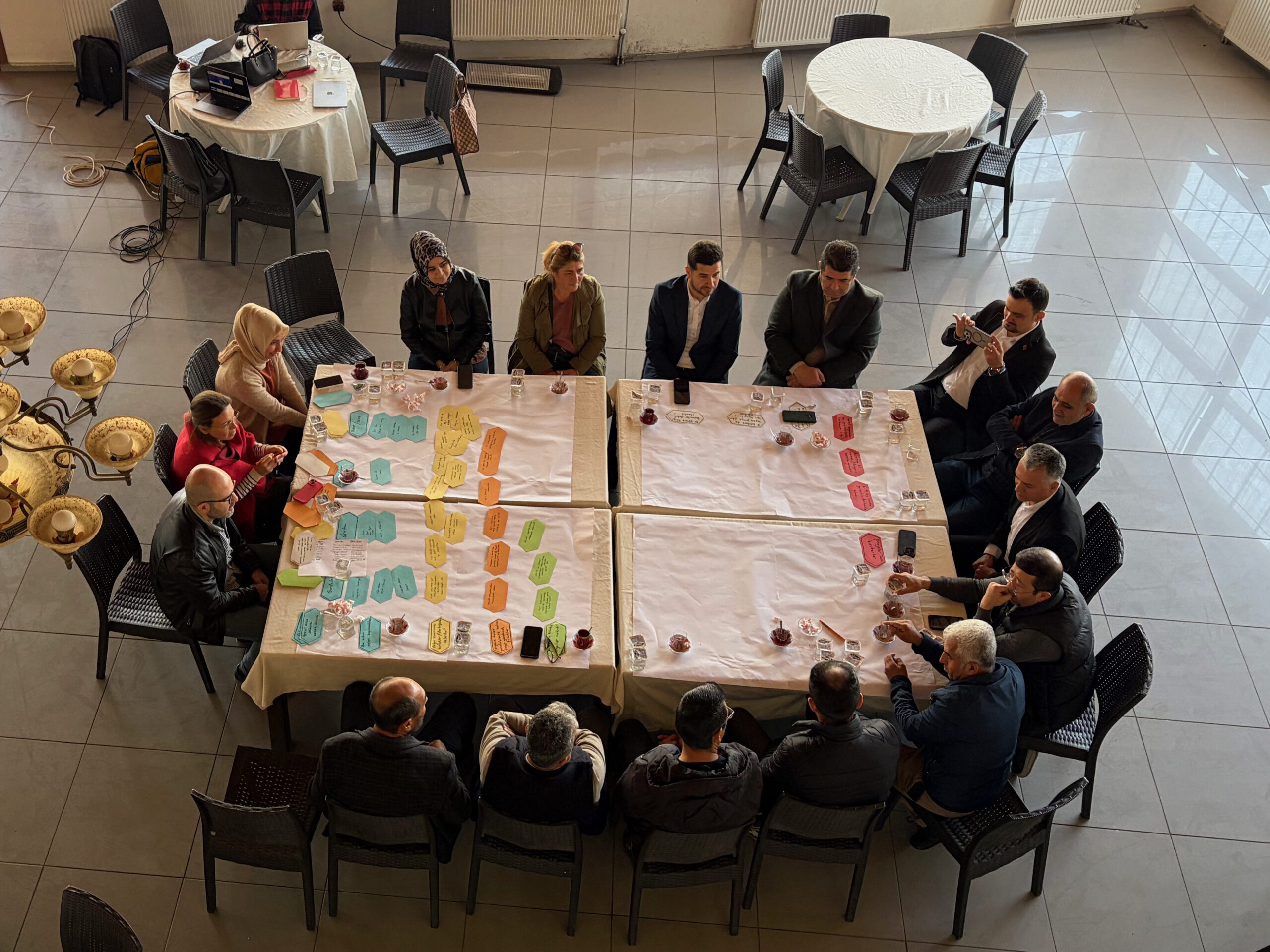
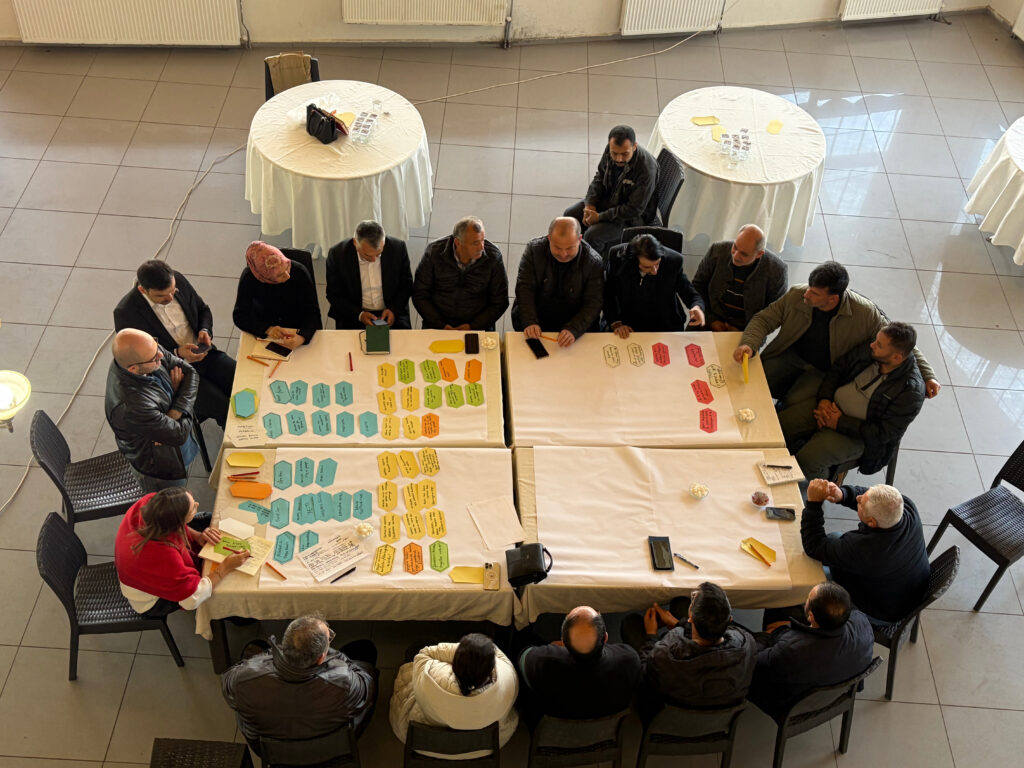
When working on economic development in territories and places, we tend to use the same tools, follow similar procedures, and structure our work in familiar patterns. Looking at photos from different work areas, an outsider might easily say: “This all looks the same!” Even I sometimes wonder, when browsing through documentations from previous years, whether we have not always experienced things in the same way. Whenever I reach that point, it is time to go back into the field. Then it becomes obvious again why I love this work—and why photos never capture what is truly relevant. As long as I stay open to genuine encounters and discoveries rather than mechanically ticking off steps, it is the human character of each place that keeps surprising me.
Locations and regions as “crystals of human life trajectories”
César Hidalgo coined the term “crystal of innovation” to describe products that embody accumulated knowledge from different generations or knowledge domains. I appreciate this crystal metaphor. And with the risk of sounding a bit philosophical, I believe every territory offers the chance to look into a crystal of human life shaped in that specific space—getting in touch with the historical paths of groups and local societies that, over long periods, have built their livelihoods and quality of life through their economic activities. It has been shaped by people staying and leaving, or coming back to these places, over generations. It provides a mirror of a continuous flow of life experiences, new ideas, and innovative ways of doing things, as well as the accumulation of new knowledge, but it may also reflect periods of stagnation, frustration, and a loss of direction. The economic structures of today are inextricably linked to people’s private lives, their thoughts, social bonding and bridging capabilities, and their aspirations. Trying not only to “understand” analytically but at the same time to sense the complexity that shapes each place can be truly enriching.
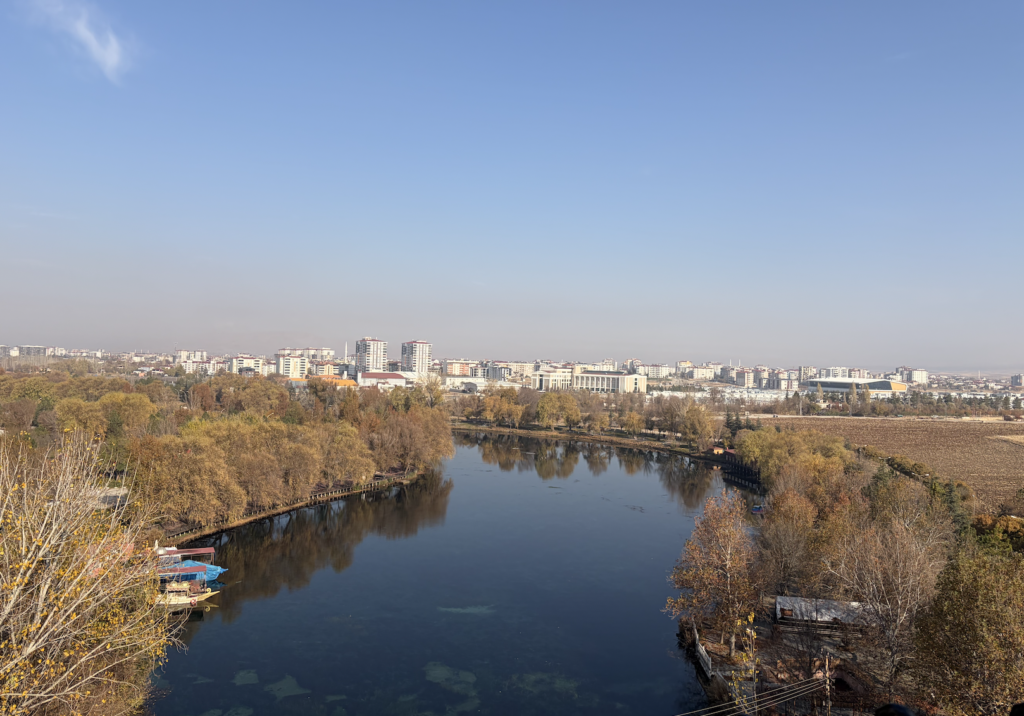
Elbistan Municipality
Experiences in South Turkey as examples of deep complexity, context-specific dynamics, and dense human and social fabrics and experiences
Over the past months, I have worked in several Turkish cities located in the regions affected by the 2023 earthquakes in southern Turkey — including Elbistan in Kahramanmaraş Province and Yayladağı in Hatay Province. More than 50,000 people lost their lives in this devastating disaster. Following the emergency response and initial recovery efforts, we are now promoting an opportunity-oriented economic development process to restore agency and reinvigorate local economic and income-generating activities.
I am grateful for the opportunity to look into these “crystals” again and again. They remind me that some places are going through disastrous phases of development, experiencing profound human and economic tragedies, while others are shaped by very different life experiences. Yet beneath these different trajectories, it becomes evident that every place, every context, is unique.
Even if photos from workshops and facilitation processes may look similar, the lived experience behind them is shaped by deep complexity, context-specific dynamics, and dense human and social fabrics rooted in long histories.